
Do You Know How Much You Can Save After Implementing Manufacturing ERP Software with Lean and Six Sigma into Your Manufacturing Business?
Understanding the Trio
(1) ERP Software:
(2) Lean Methodology:
(3) Six Sigma:
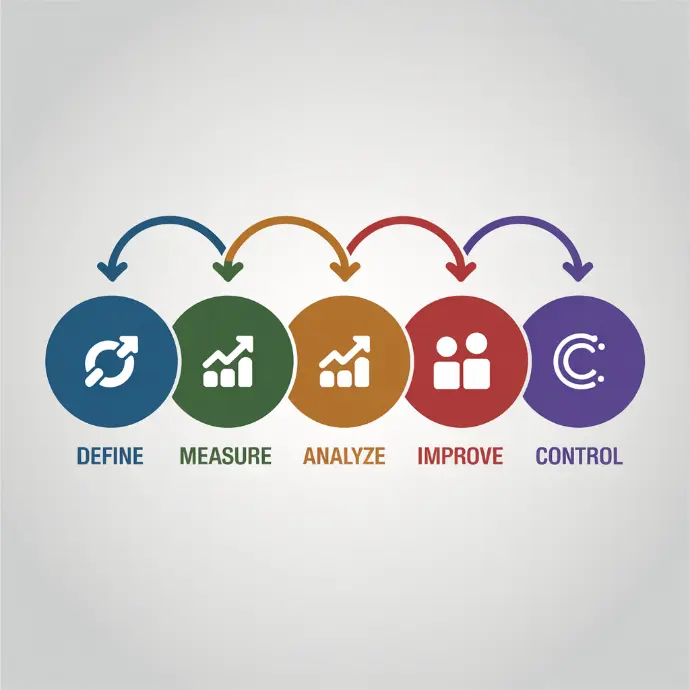
Quantifying the Savings
(1) Reduced Inventory Costs:
(2) Optimized Production Planning:
(3) Improved Quality Control:
(4) Streamlined Supply Chain:
Case Study: Transforming Savings into Profit
- Inventory Reduction: Reduced excess inventory by 30%, saving 150,000 annually in storage costs.
- Labor Efficiency: Optimized workforce utilization led to a 15% reduction in labor costs, amounting to 300,000 in savings per year.
- Maintenance Downtime: Minimized equipment downtime by 20%, saving 150,000 annually in maintenance and repair expenses.
- Procurement Savings: Streamlined procurement processes resulted in 100,000 in savings through better supplier negotiations and reduced lead times.
- Quality Enhancements: Reduced defects by 25%, saving 100,000 in rework costs and warranty claims.
- Operational Cost Savings: 10% - 30%
- Inventory Reduction: 20% - 40%
- Productivity Increase: 20% - 50%
- Quality Improvement: 20% - 50%
Conclusion: A Roadmap to Savings and Success
Stop losing up to 30% of your factory’s profit to hidden waste
From raw material mistakes to delayed dispatches—stop the leaks and make your daily production effortless with a Lean ERP.
Guidebook for Common Queries
Most manufacturers reduce operational waste, improve process efficiency, and optimize inventory, which can lead to noticeable cost savings within months. The exact savings depend on current inefficiencies, but businesses typically see reduced manual errors, lower inventory holding costs, and better production planning.
ERP software cuts costs by automating repetitive tasks, improving resource planning, reducing production delays, and minimizing material wastage. It also provides real-time insights that help manufacturers make smarter, cost-saving decisions quickly.
Yes, modern ERP solutions are scalable and designed for small and mid-sized manufacturers. They help streamline operations, improve quality control, and reduce costs without requiring large upfront investments.
Most manufacturing businesses begin to see measurable ROI within a few months, especially in areas like inventory optimization, production efficiency, and reduced downtime. Full ROI depends on implementation quality and adoption.
They quickly address issues like poor inventory visibility, production delays, quality inconsistencies, and lack of real-time data. This leads to better decision-making and smoother operations.
Yes, by reducing unnecessary costs, improving production efficiency, and enhancing demand forecasting, ERP software helps increase overall profit margins while maintaining product quality.
ERP systems track material usage, monitor production stages, and identify inefficiencies. When combined with Lean Six Sigma, it helps eliminate waste, reduce rework, and improve process consistency.
Look for an ERP system that offers industry-specific features, real-time reporting, scalability, and strong implementation support. Choosing the right partner ensures smooth deployment and faster ROI.