
What is Enterprise Resource Planning (ERP)?
- Integrated real-time data drives informed business decisions.
- Cloud-based accessibility to use anywhere.
- Improve business reports with one system.
- Your data is safer because it's always backed up.
Which Industries Can Benefit from an ERP System?
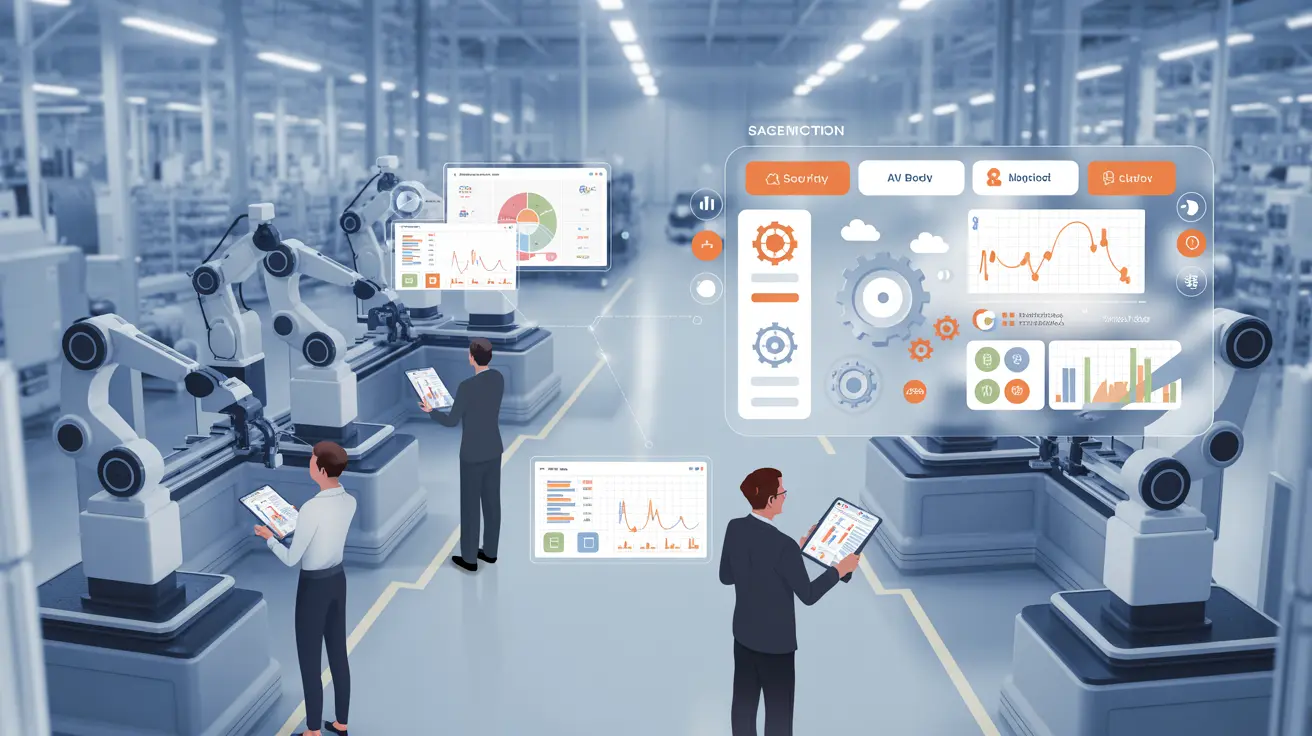
(1) ERP for Manufacturing:
- Inventory and supply chain management.
- Machine Performance and good quality of product assurance.
(2) ERP for Retail
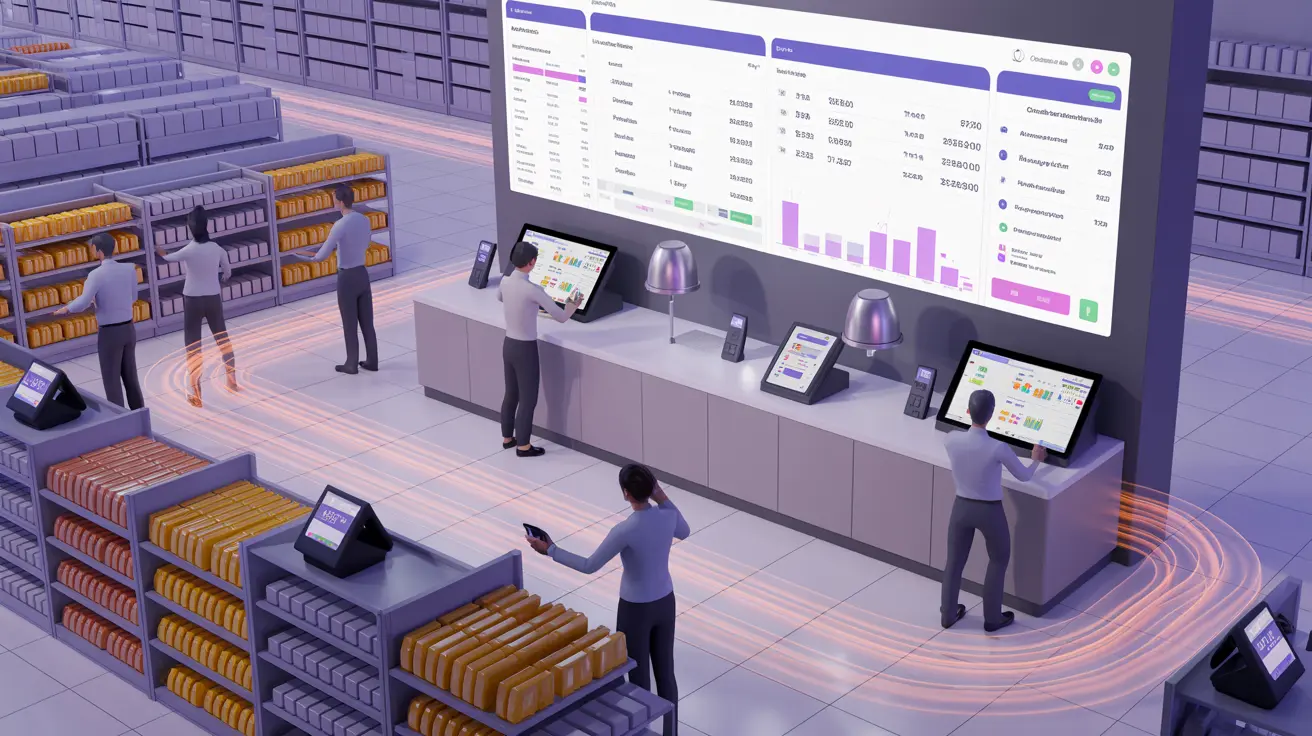
- Making bills is simple
- Keeping a consistent price across stores
- Manufacturers handle transactions in an organised way.
- Simple exchange and return of products
- Managing employees and paying them efficiently.
- Having a system that connects both offline and online stores.
(3) ERP for the Automotive Industry
- Getting timely information about design mistakes.
- Handling inventory and raw materials.
- Dealing with customers and their feedback.
- Integration of design and Quality Management.
- To follow safety rules and regulations.
- Staying updated on what customers want and market trends.
Is Your Business Outgrowing Your Current Setup?
(4) ERP for the Food Industry
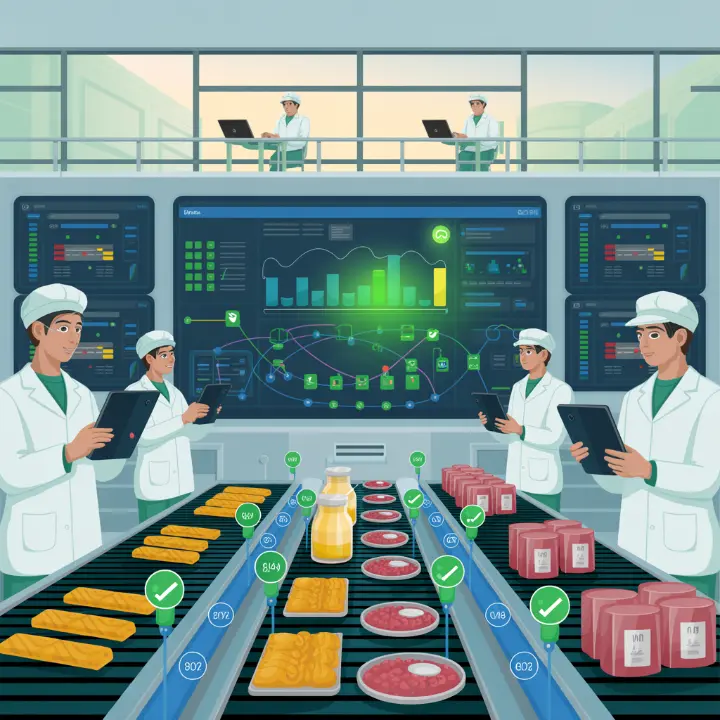
- Following progress using profit graphs.
- Checking how much it costs to make food, including the price of materials and labor.
- Making bills and reports quickly and well.
- Reduce Human error in warehouse operations.
- Managing food safety and regulations.
- Efficient control of inventory in the store and the warehouse.
(5) ERP for the Plastic Industry
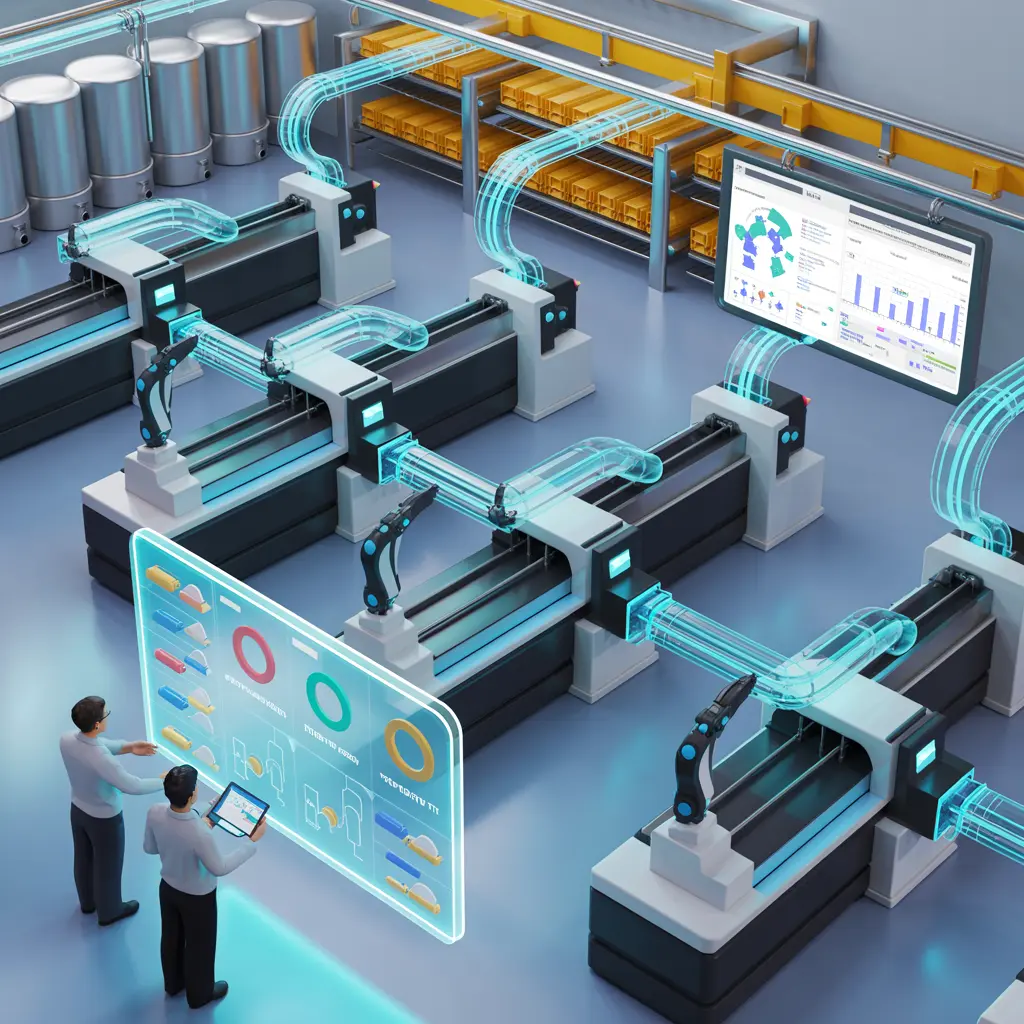
(6) ERP for Chemical Industry
- Function Efficiently (From Manual to Automation)
- Risk Management (Reduce Human Error)
- Getting ready for the Future (early investment for future growth)
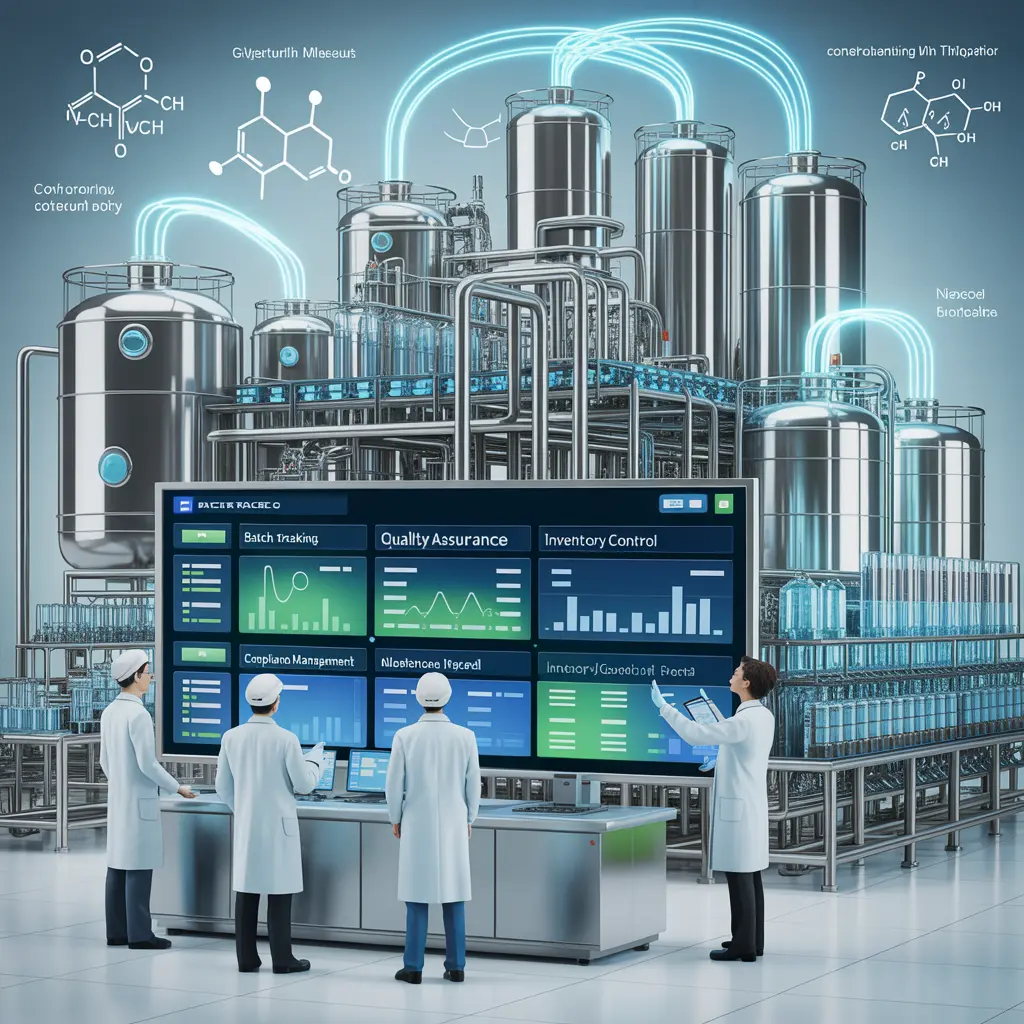
Which Industries Can Benefit from an ERP System?
- Sales Forecasting helps the Inventory better.
- Keeping track of every transaction in every area of service with collected data.
- Track of order, from when they’re accepted.
- Revenue management, from invoice to payment.
- Checking Sales orders, inventory receipts, and costs.
Leaking Profits in Your Operations?
Rapid Assistance Zone
Industries with complex operations like manufacturing, trading, retail, healthcare, construction, and logistics benefit the most from ERP systems because they need real-time data, inventory control, and process automation. Today, almost every industry adopts ERP to improve efficiency and scale faster.
ERP is no longer limited to large enterprises. Small and medium businesses now use cloud ERP to manage operations, reduce manual work, and compete with bigger companies using real-time insights and automation.
Manufacturing and trading businesses rely on ERP for inventory tracking, production planning, order management, and cost control, helping reduce errors and improve delivery timelines.
Manufacturing, retail/eCommerce, and logistics industries need ERP the most due to increasing demand for automation, supply chain visibility, and real-time decision-making in a competitive digital market.
If your business faces issues like data mismatch, manual processes, inventory errors, delayed reporting, or poor visibility, it’s a strong sign that your industry needs an ERP system to streamline operations.
Yes, service industries like IT, consulting, and engineering use ERP to manage projects, billing, resource utilization, and profitability, ensuring better client delivery and financial control.
ERP solves common problems like data silos, inefficient workflows, lack of real-time insights, and poor coordination between departments, enabling businesses to operate from a single unified system.
The best ERP depends on your industry, business size, and processes. A customized ERP solution tailored to your workflow delivers better ROI, efficiency, and scalability.