
Introduction: What is Lean-based ERP for the Leather Manufacturing Industry
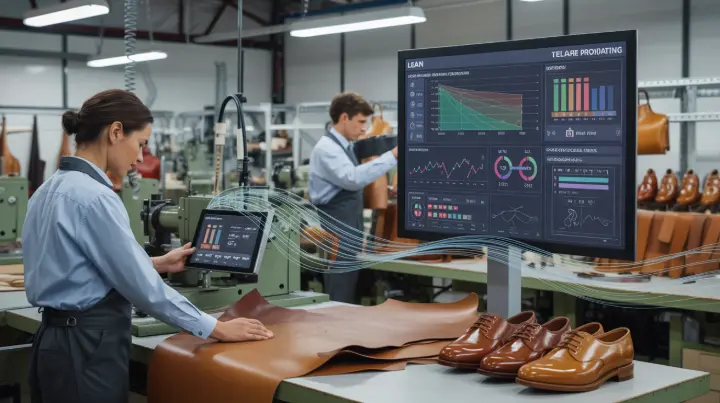
Why Do Leather Industries Need a Lean-based Manufacturing ERP System?
- Inventory Issues: Inefficient stock management and high carrying costs.
- Demand Fluctuations: Difficulty forecasting and responding to market changes.
- Quality Control: Challenges in maintaining consistent product quality.
- Supply Chain Bottlenecks: Delays and inefficiencies in logistics and procurement.
- Data Silos: Poor integration and visibility across departments.
- Slow Decision-Making: Lack of real-time data and insights.
The Essential Role of Lean-Based ERP in Leather Manufacturing Industries
(1) Enhanced Production Efficiency:
(2) Enhanced Quality Control:
(3) Cost Reduction:
(4) Real-Time Data Access:
(5) Streamlined Compliance Management:
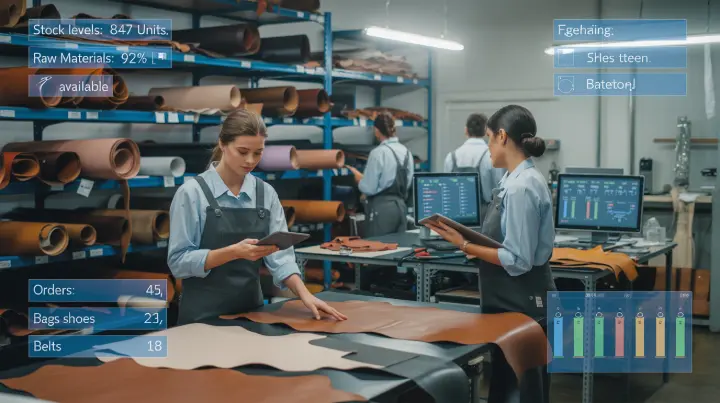
(6) Improved Inventory Management:
(7) Increased Swiftness:
(8) Maximized ROI:
(9) Better Customer Satisfaction:
In Closing
Is your business running you, or are you running your business?
Stop chasing updates from production, inventory, and sales. Bring all your departments onto one screen and breathe easy.
Unraveling the Mysteries
Leather manufacturing involves complex processes, multiple stages, and strict quality control, which often lead to delays, inventory issues, and coordination challenges without a proper system.
A lean-based ERP helps by streamlining production, reducing waste, and improving workflow visibility, allowing manufacturers to operate faster and more accurately.
ERP helps solve issues like inventory mismanagement, demand fluctuations, quality inconsistencies, and supply chain delays, which are common in the leather industry.
ERP systems provide real-time tracking of raw materials and finished goods, helping reduce overstocking, avoid shortages, and lower carrying costs.
Yes, ERP enables end-to-end quality monitoring, from raw material inspection to final product checks, ensuring consistent product quality and fewer defects.
With real-time dashboards and analytics, ERP allows business owners to quickly respond to demand changes, production issues, and market trends.
Leather manufacturers typically see returns through better inventory control, reduced material waste, improved production speed, and fewer quality issues. Over time, this leads to higher margins, faster order fulfillment, and stronger customer retention, making ERP a long-term growth investment rather than just a software cost.