ERP Built Around How Your Food Manufacturing Business Works
Food manufacturing involves much more than production. From ingredient procurement and recipe management to batch production, quality checks, packaging, inventory, and dispatch, all processes need to work together.
At Teknovative Consultation, we first understand your manufacturing workflow and operational challenges, then use ERP to connect the processes that matter most to your business.
Industry-Specific Food Manufacturing Intelligence
Food Manufacturing Intelligence
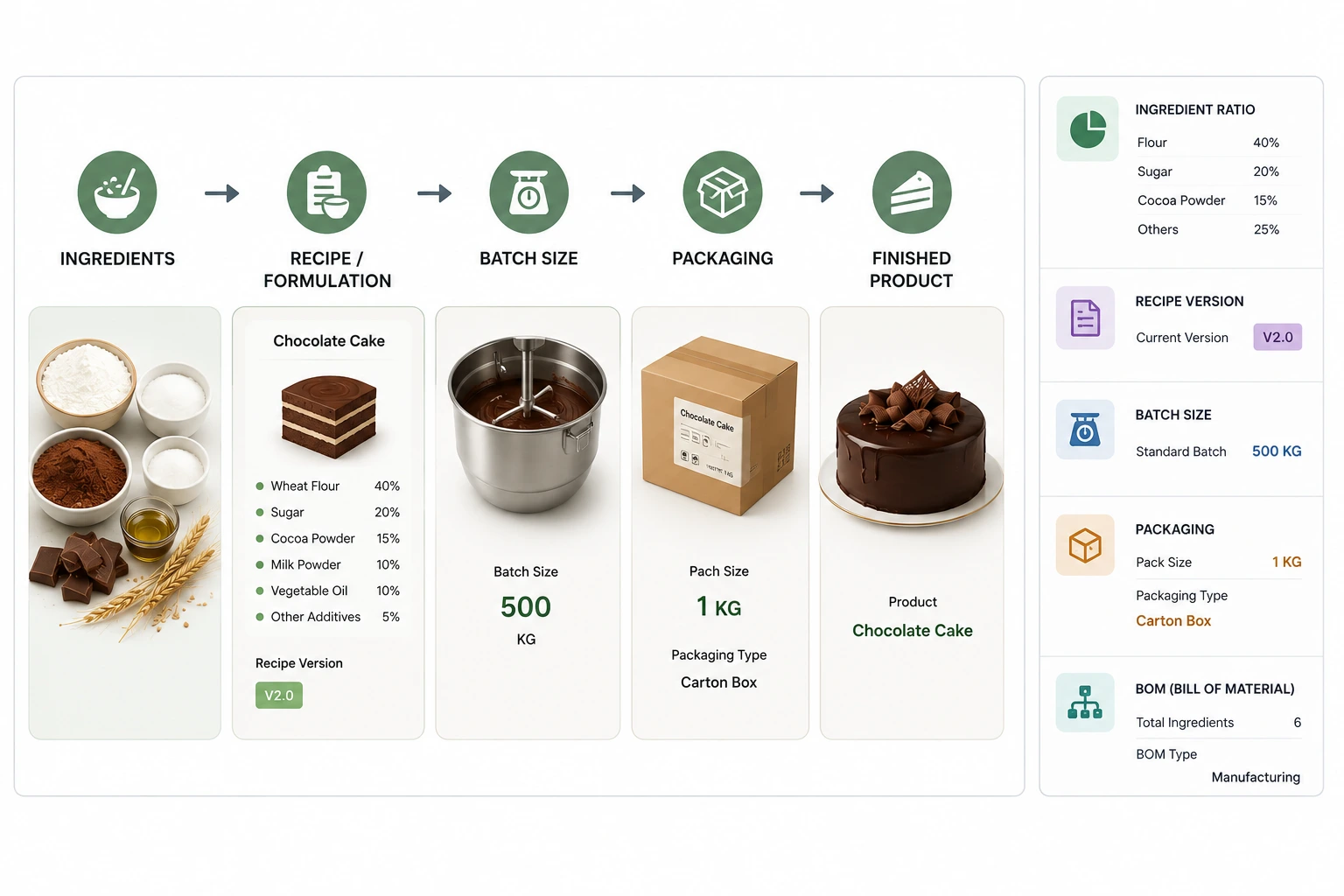
Recipe, Yield & Wastage Management
Manage ingredient ratios, recipe versions, batch sizes, actual consumption, production output, process losses, scrap, and yield variance for every batch.
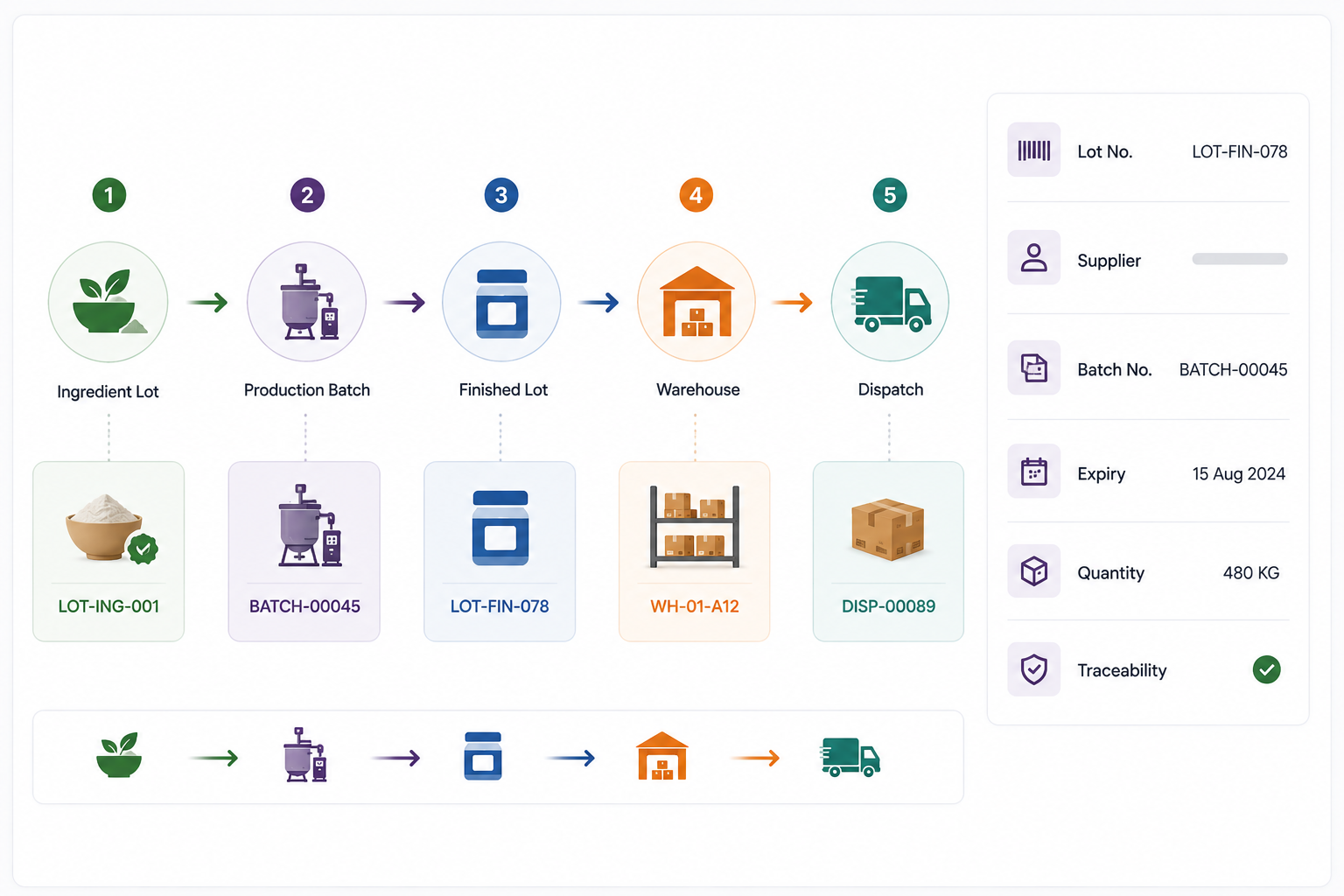
Lot Traceability & Shelf-Life Control
Track ingredient lots through finished batches while managing expiry dates, shelf life, removal dates, and FEFO-based stock rotation.
Recipe, Yield & Wastage Management
Manage ingredient ratios, recipe versions, batch sizes, actual consumption, production output, process losses, scrap, and yield variance for every batch.
Lot Traceability & Shelf-Life Control
Track ingredient lots through finished batches while managing expiry dates, shelf life, removal dates, and FEFO-based stock rotation.
Where Food Manufacturing Operations Start Losing Control
Food Manufacturing Challenges
Ingredient Shortages
Missing ingredients can force production teams to reschedule batches, delay orders, or arrange urgent purchases.
Production Delays
Unplanned downtime, changeovers, labour constraints, or material delays can disrupt daily production commitments.
Quality Holds
Rejected ingredients or failed inspections can place production batches on hold and delay dispatch.
Stock Expiry
Ageing ingredients and finished products can occupy storage space while increasing expiry-related inventory losses.
Demand Fluctuations
Changing customer demand can make production planning, procurement, and finished-goods availability difficult to balance.
Packaging Shortages
Missing packaging materials, labels, or coding supplies can delay finished-product packing and dispatch.
Supplier Delays
Unreliable delivery commitments can leave production teams uncertain about material availability and scheduling.
Manual Coordination
Production, purchase, quality, inventory, and sales teams may rely heavily on calls, spreadsheets, and follow-ups.
Why Food Manufacturers Need a Connected ERP?
Why Food Manufacturers Need a ERP?
When purchasing, production, quality, inventory, sales, and dispatch work with separate information, teams spend more time coordinating and less time controlling operations.
A connected ERP brings these workflows together, helping your teams work with shared operational information.
One Connected Flow
Plan → Procure → Produce → Inspect → Pack → Store → Dispatch
With the right ERP approach, every stage can work from the information created by the stage before it.
Turn Every Batch Into Better Control
Connect ingredients, production, quality, inventory, and traceability through one food manufacturing ERP.
Key Features of ERP for the Food Industry
Production Scheduling & Capacity
Plan Manufacturing Orders around available work centres, production capacity, batch requirements, and delivery commitments.
Automated Replenishment
Use reordering rules and material requirements to maintain appropriate ingredient and packaging stock for planned production.
Multi-Stage Production Control
Manage semi-finished products, intermediate stages, work orders, and final product completion within manufacturing workflows.
Barcode-Based Factory Operations
Speed up ingredient receiving, stock movements, batch handling, inventory counting, picking, and finished-goods dispatch.
Purchase-to-Production Coordination
Connect purchase orders, incoming ingredients, supplier lead times, and material availability with manufacturing requirements.
Equipment & Maintenance Control
Schedule preventive maintenance, monitor equipment availability, and track downtime affecting production operations.
ERP Modules Built for Food Manufacturing Operations
ERP Solutions for Food Manufacturing
Customer & Market Management
CRM + Sales
- Auto Lead & Enquiry Management
- Customer-Specific Pricelist Management
- Auto Quotation & Sales Order Flow
- Distributor & Retailer Management
- Auto Customer Follow-Up Activities
- Product & Pack Variant Pricing
- Recurring Order Management
- Sales Demand Visibility
Demand & Production Planning
Planning + Manufacturing
- Auto Production Planning
- Auto Material Availability Check
- Work Centre Capacity Planning
- Planned vs Actual Production
- Batch Size Scheduling
- Manufacturing Order Scheduling
- Production Priority Management
- Delivery-Based Production Planning
Ingredient & Packaging Procurement
Purchase
- Auto Ingredient Replenishment
- Supplier Lead-Time Management
- Supplier MOQ Management
- Purchase Order Management
- Auto Packaging Material Reordering
- Ingredient Price Comparison
- Auto RFQ Generation
- Production-Based Procurement Planning
Recipe, Formulation & Product Development
Manufacturing + PLM
- Recipe-Based Manufacturing BOMs
- Batch Size Formulation
- Packaging Component Mapping
- Recipe Version Control
- Ingredient Ratio Management
- Processing Operation Configuration
- Product Variant Formulation
- Formulation Change Approval
Ingredient Receiving & Traceability
Inventory + Quality
- Auto Lot Number Capture
- Auto Incoming Quality Checks
- Ingredient Lot Traceability
- Supplier-to-Batch Traceability
- Auto Ingredient Receiving
- Raw Material Quality Hold
- Ingredient Expiry Tracking
- Storage Location Tracking
Batch Manufacturing & Yield Control
Manufacturing
- Auto Manufacturing Order Generation
- Planned vs Actual Consumption
- Process Loss & Scrap Recording
- Production Operation Tracking
- Recipe-Based Ingredient Consumption
- Batch Yield Variance Tracking
- By-Product Management
- Batch-Level Costing
Quality & Food Safety Control
Quality
- Auto Incoming Quality Checks
- Auto In-Process Quality Checks
- Operation-Based Quality Checkpoints
- Quality Alert Management
- Raw Material Inspection Parameters
- Finished Product Inspection
- Batch Hold & Release
- Corrective Action Tracking
Shelf Life, Expiry & FEFO
Inventory
- Auto Expiry Date Tracking
- Finished Batch Expiry Tracking
- Auto Expiry Alerts
- FEFO Stock Rotation
- Ingredient Shelf-Life Management
- Best-Before Date Management
- Removal Date Configuration
- Expiry-Sensitive Inventory Control
Less Wastage. More Control. Better Production
Get a food manufacturing ERP designed around your actual processes—not a generic setup.
Packaging & Finished Goods
Inventory + Manufacturing
- Primary Packaging Management
- Pack Size Configuration
- Auto Finished Batch Creation
- Packaged Goods Inventory
- Secondary Packaging Management
- Packaging Components in BoMs
- Finished Product Lot Assignment
- Finished Batch Dispatch
Barcode & Warehouse Operations
Barcode + Inventory
- Barcode-Based Ingredient Receiving
- Raw Material Location Transfers
- Finished Batch Movement Tracking
- Finished Goods Picking
- Auto Lot & Batch Scanning
- Barcode Material Issue
- Barcode Inventory Counting
- Barcode Dispatch Operations
Equipment, Maintenance & Production Availability
Maintenance
- Auto Preventive Maintenance Scheduling
- Equipment Service History
- Breakdown & Corrective Maintenance
- Production Equipment Availability
- Food Processing Equipment Tracking
- Auto Maintenance Requests
- Equipment Downtime Tracking
- Maintenance Planning
Costing & Profitability
Accounting + Manufacturing + Inventory
- Ingredient Cost Tracking
- Batch Manufacturing Costing
- Process Loss Cost Impact
- Food Product Cost Analysis
- Packaging Cost Allocation
- Production Operation Costing
- Inventory Valuation
- Product Margin & Profitability
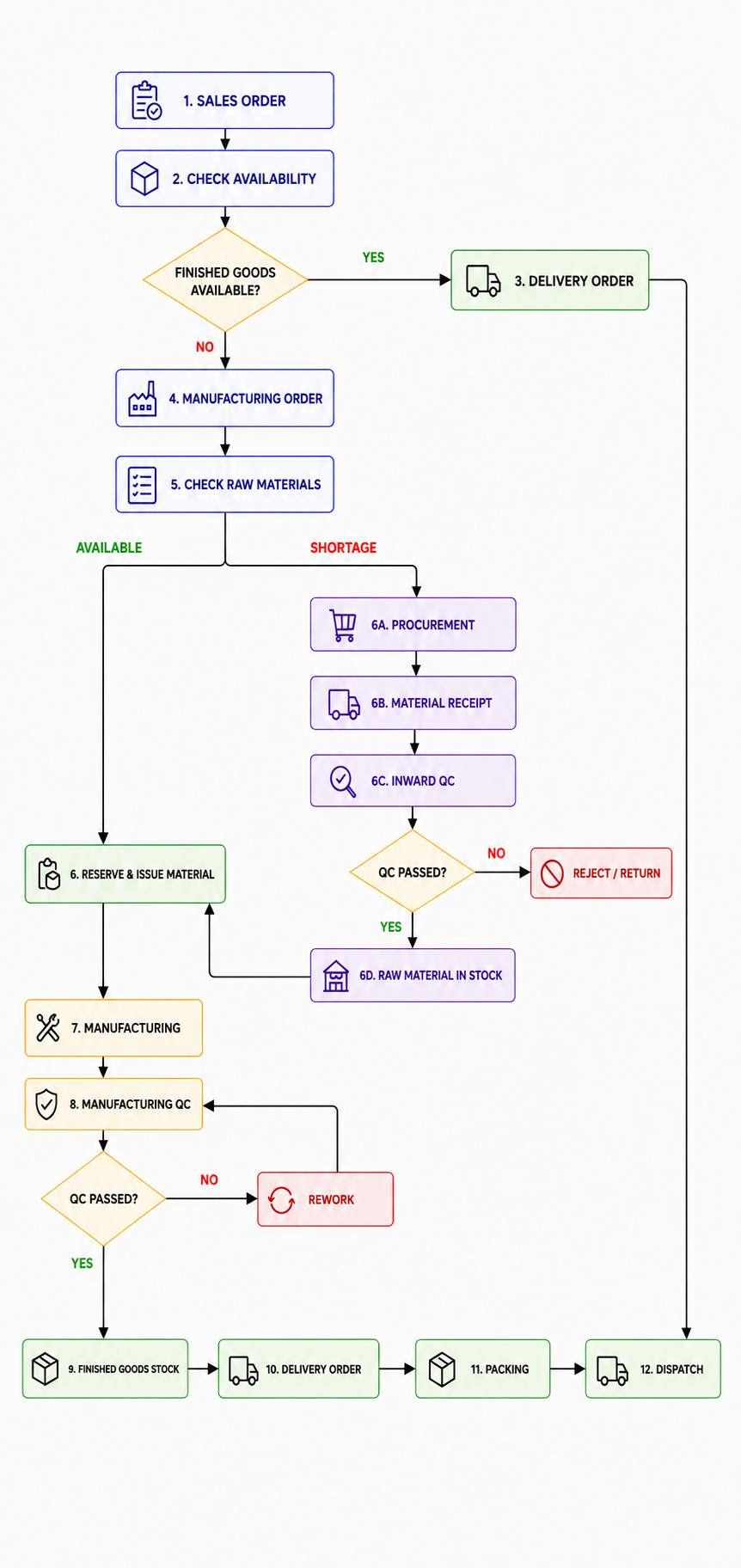
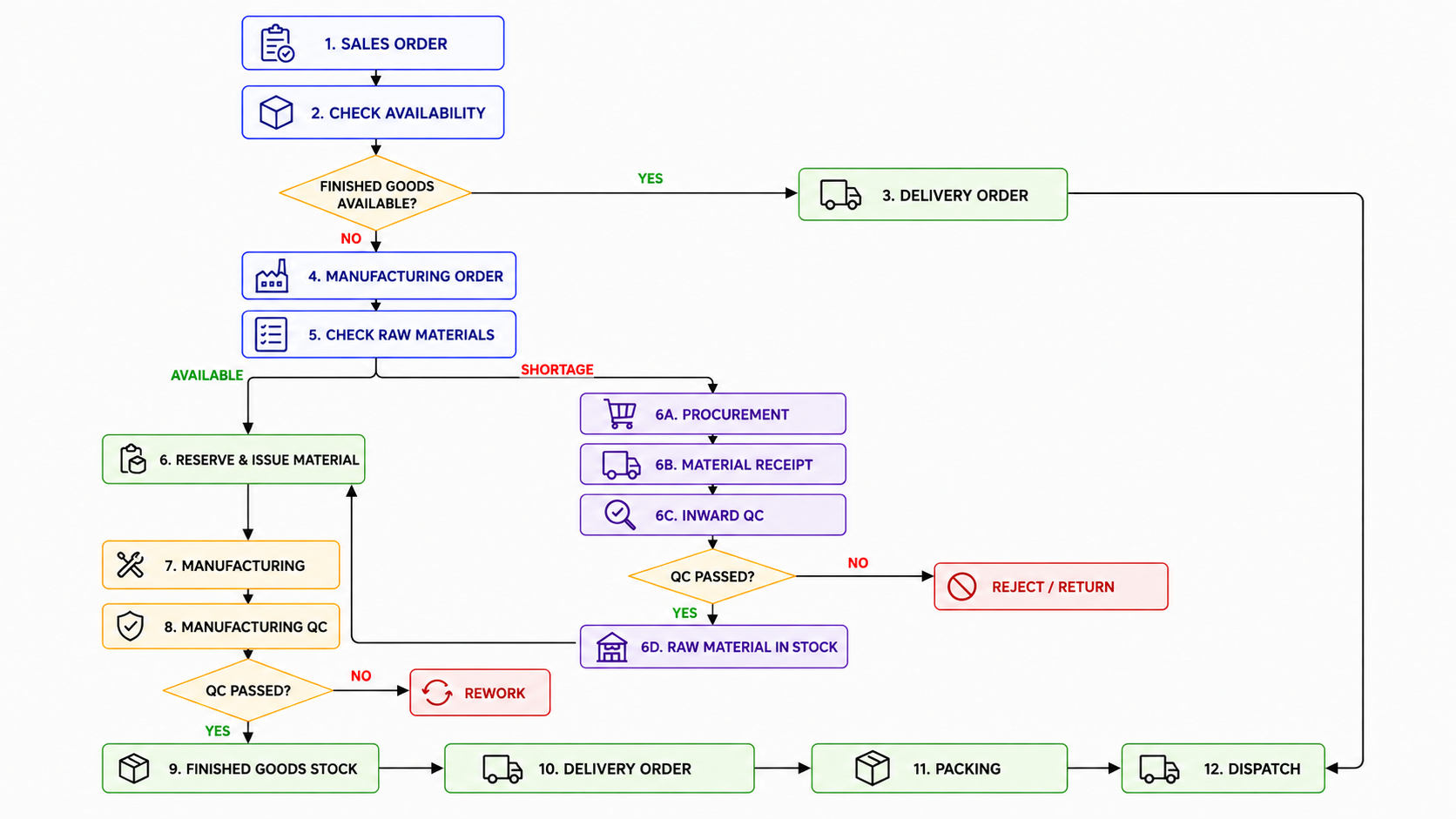
How ERP Connects Your Food Manufacturing Process
ERP-Connected Food Manufacturing Process
ERP Configured for Different Food Manufacturing Processes
ERP for Different Food Manufacturing Processes
Every food manufacturing business follows a different production flow. ERP can be configured around your products, recipes, batch processes, quality requirements, packaging, and inventory controls.
Every food manufacturing business follows a different production flow.
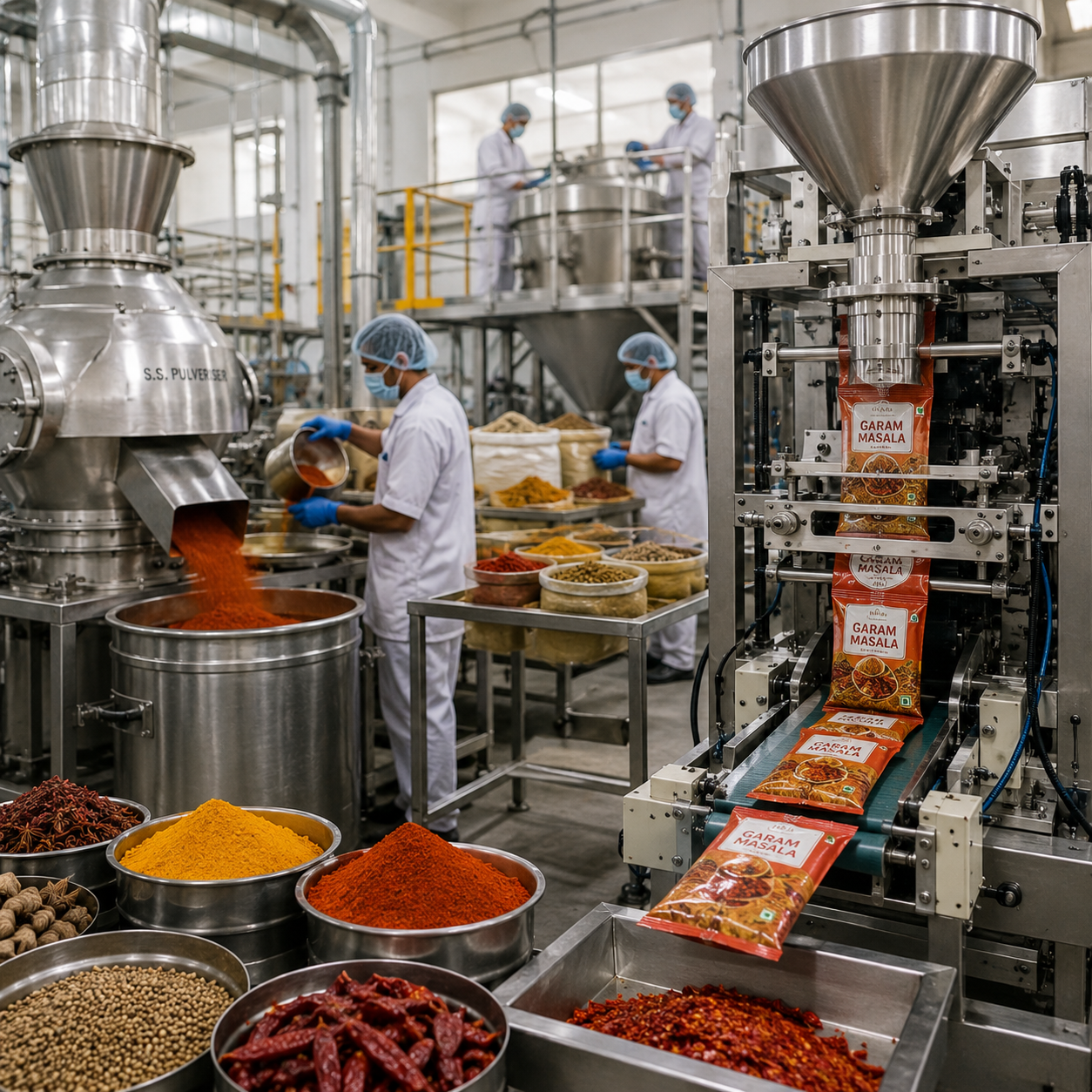
Spices & Masala Manufacturing
Cleaning → Grinding → Blending → Sieving → Quality Check → Packing
Connect ingredient lots, formulation ratios, batch production, yield, quality inspection, packaging materials, and lot traceability.
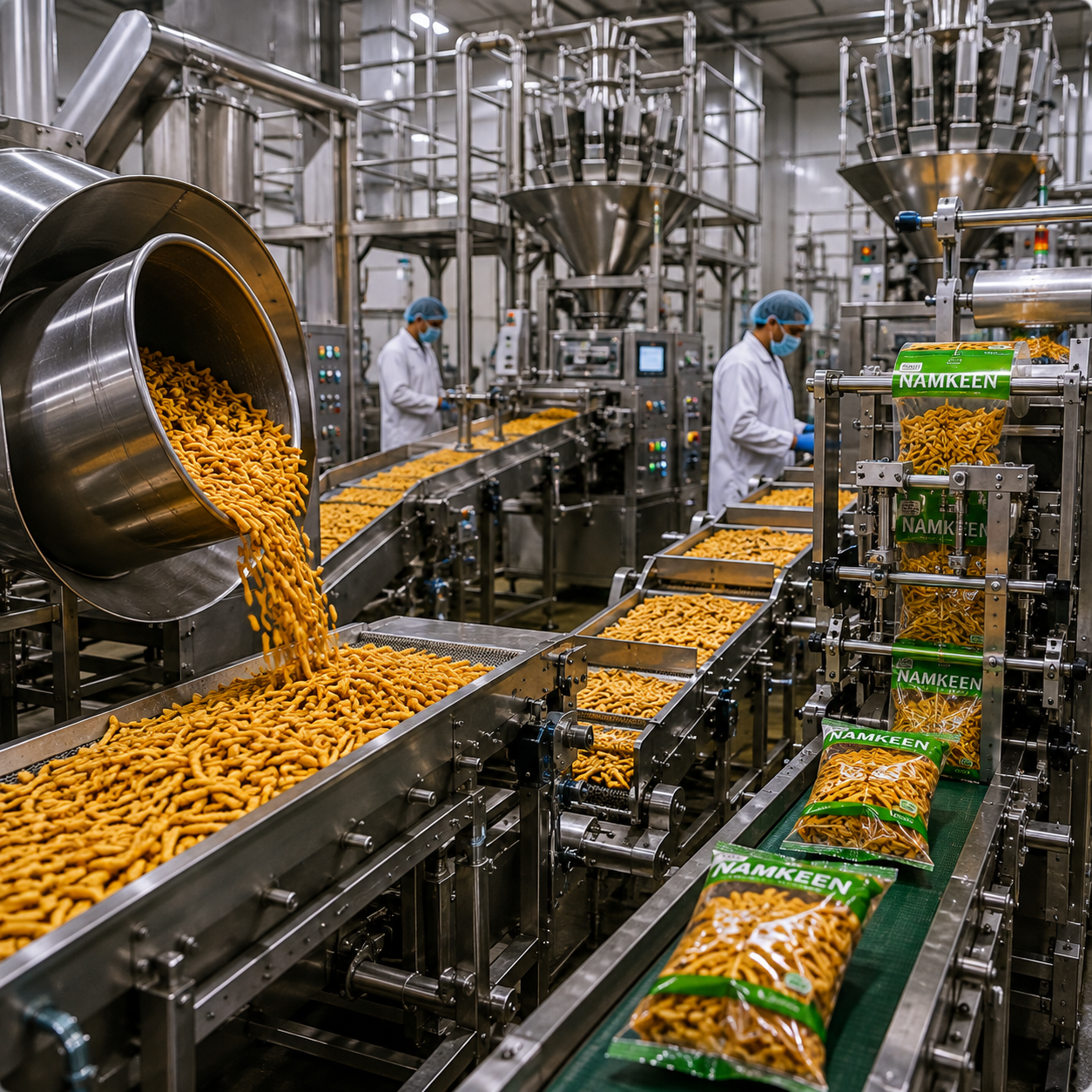
Snacks & Namkeen Manufacturing
Ingredient Preparation → Processing → Frying / Baking → Seasoning → Packing
Manage batch production, recipe-based consumption, process losses, packaging requirements, quality checks, and finished-batch inventory.
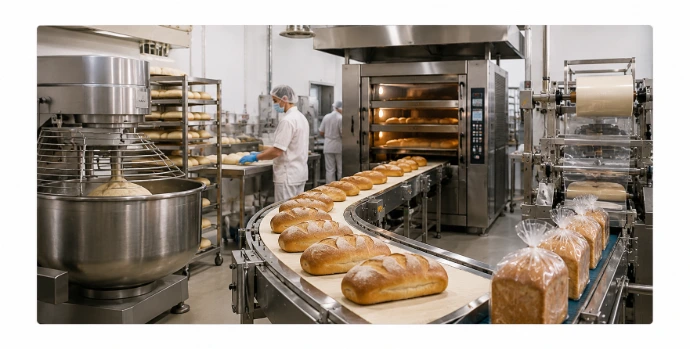
Bakery Manufacturing
Ingredient Mixing → Dough Preparation → Fermentation → Baking → Cooling → Packing
Manage recipe-based BoMs, ingredient consumption, production batches, wastage, quality checks, packaging, and finished-goods inventory.
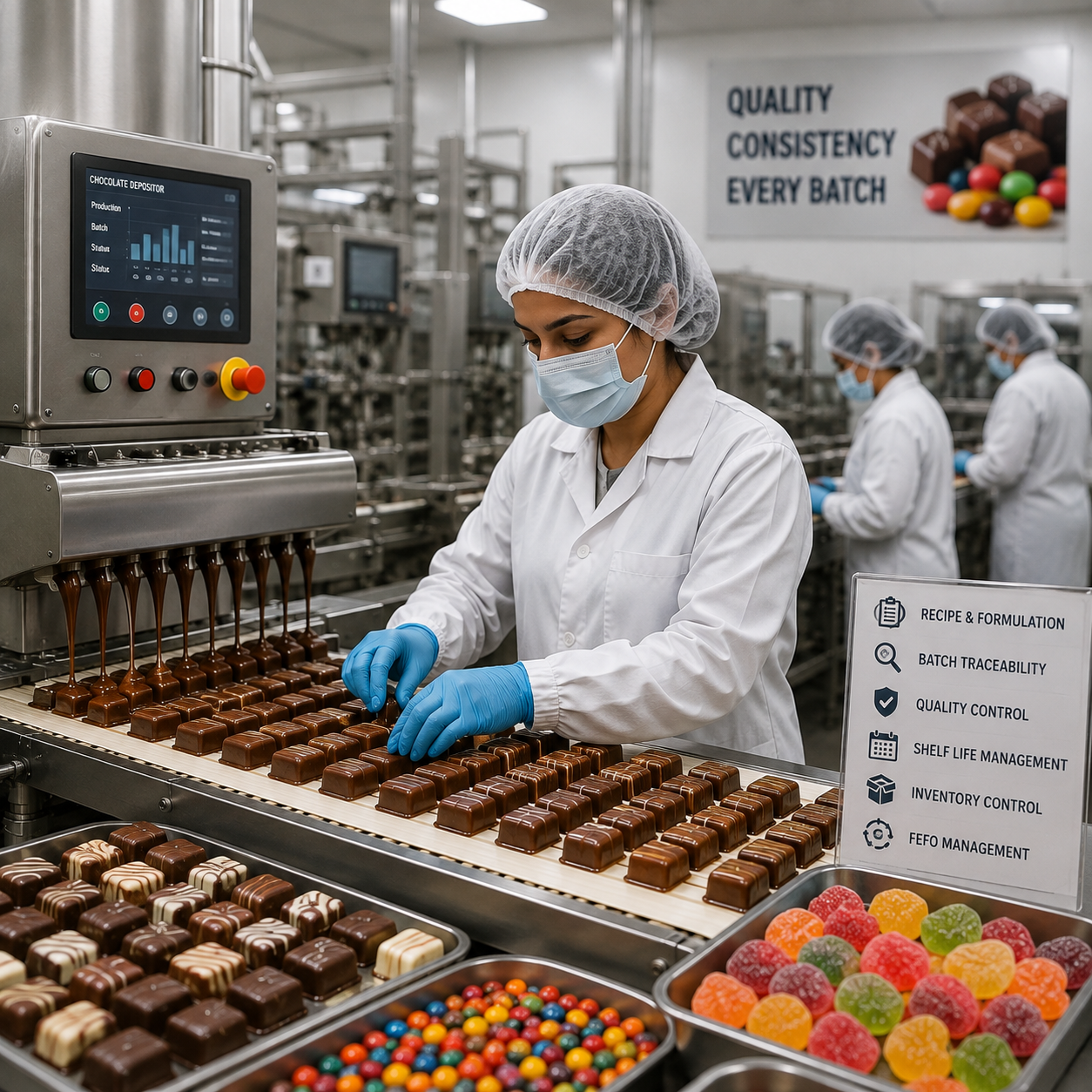
Confectionery Manufacturing
Ingredient Weighing → Mixing → Cooking → Cooling → Shaping → Packaging
Coordinate formulations, production operations, batch quantities, ingredient consumption, quality checkpoints, packaging, and finished-product tracking.
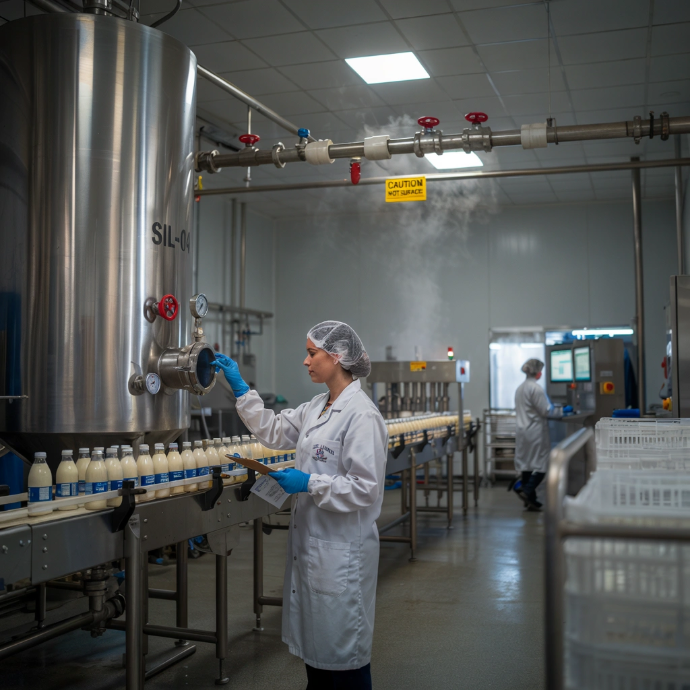
Dairy Manufacturing
Milk Receiving → Testing → Processing → Batch Production → Packaging → Cold Storage → Dispatch
Connect milk procurement, batch production, quality checks, expiry-controlled inventory, packaging, and finished-product traceability.
Why Food Manufacturers Choose Teknovative Consultation?
Why Teknovative Consultation
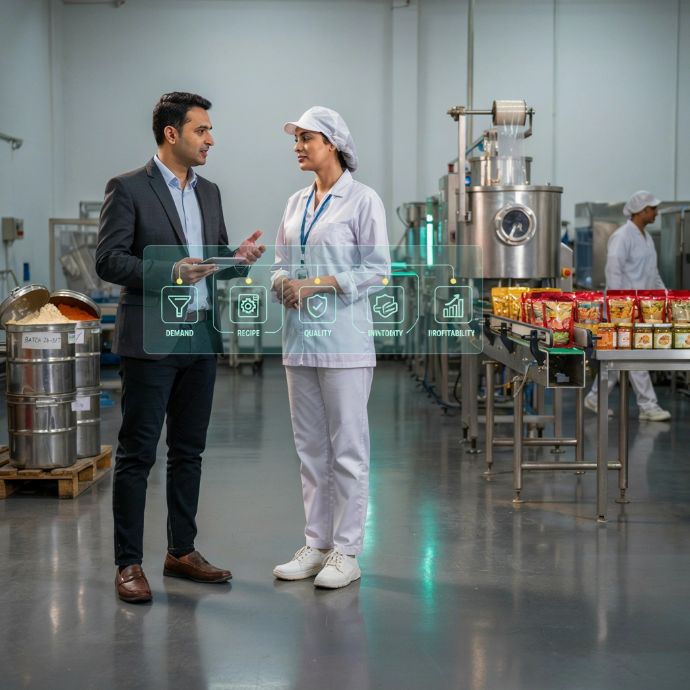
- 10+ Years of ERP Consulting.
- 535+ ERP Projects Successfully Delivered.
- Experience Across 38+ Industry Verticals.
- Lean & Six Sigma–Driven Process Consulting.
- Specialized in Manufacturing ERP Solutions.
- Business Process Consulting Before ERP Implementation.
- Dedicated Training & Post-Implementation Support.
Curious Minds Want to Know
Odoo ERP can be configured for food manufacturers to manage recipes, batch production, ingredient procurement, quality checks, lot traceability, expiry dates, inventory, packaging, and dispatch within a single connected system.
Yes. Odoo Manufacturing uses Bills of Materials (BoMs) to define ingredients, quantities, and manufacturing operations. These can be tailored to different food products, batch sizes, and production workflows.
ERP can assign lot numbers to incoming ingredients and manufactured products, allowing businesses to trace materials through production and inventory movements. This is particularly useful for identifying affected batches during quality issues or recalls.
Yes. ERP manages expiration dates, best-before dates, removal dates, and alert dates for lot-tracked products. Its inventory system also supports FEFO (First Expired, First Out) removal strategies for expiry-sensitive stock.
Yes. Odoo Quality can automatically create quality checks based on products and operations through Quality Control Points (QCPs). This allows checks to be integrated into receiving, manufacturing, and other operational stages.
Yes. Odoo Purchase supports RFQs, purchase orders, supplier pricing, reordering rules, replenishment, and procurement analysis, helping food manufacturers plan ingredient and packaging purchases around operational requirements.
Odoo connects purchasing, receiving, lot tracking, production consumption, warehouse movements, expiry control, barcode operations, and finished-goods inventory. Barcode workflows can minimize manual data entry across receipts, transfers, picking, and deliveries.